Latest Articles

Why Relapse Is Not Failure: A Clinical Perspective from MRS Addiction Treatment
Recovery Tips | April 2026
Relapse remains one of the most misunderstood aspects of addiction recovery. For patients and their families alike, a return to substance use can feel catastrophic -- as though every week of progress has been erased. But the clinical reality is far more nuanced. At MRS Addiction Treatment, we view relapse through the lens of chronic disease management, not moral shortcoming.
Research consistently shows that relapse rates for substance use disorders fall between 40 and 60 percent, comparable to rates for hypertension and type 2 diabetes. This does not mean treatment has failed. It means the disease requires ongoing management, and the treatment plan may need adjustment. Our clinical team uses motivational enhancement techniques to help patients reframe setbacks as data points rather than defeats, identifying the specific triggers, environmental factors, and emotional states that preceded the episode.
Family members play a critical role in this process. When a loved one relapses, the instinct to withdraw support or express anger is understandable but counterproductive. At MRS, our family therapy program equips parents, spouses, and siblings with communication strategies that maintain connection while reinforcing healthy boundaries. Recovery is not a straight line, and the families who understand that tend to see better long-term outcomes for their loved ones.
If you or a family member is struggling after a relapse, contact MRS Addiction Treatment at (626) 681-4145. We specialize in recalibrating treatment plans and restoring momentum -- because every setback contains the seed of a stronger recovery.

Understanding Opioid Addiction in CA: A Community Perspective
Addiction Information | March 2026
California has been one of the states hardest hit by the opioid epidemic, and the San Gabriel Valley is no exception. In Los Angeles County alone, opioid-related overdose deaths have risen sharply over the past five years, driven in part by the proliferation of illicitly manufactured fentanyl. For families in Monrovia, Arcadia, Pasadena, and surrounding communities, the crisis is no longer something that happens elsewhere -- it is happening on their streets and in their homes.
Understanding how opioid addiction takes hold is essential for prevention and early intervention. Many individuals first encounter opioids through legitimate prescriptions for pain management following surgery or injury. Tolerance develops quickly, and when prescriptions run out, some turn to heroin or street fentanyl as cheaper alternatives. The transition can happen in weeks, not years.
At MRS Addiction Treatment, we see this pattern regularly. Our medical detox program uses FDA-approved medication-assisted treatment to stabilize patients safely, and our residential track provides the sustained therapeutic environment needed to address the psychological roots of dependence. We also partner with local community organizations to expand access to naloxone (Narcan) training, because overdose prevention starts long before someone walks through our doors.
If opioid use is affecting your family, do not wait for a crisis to seek help. Call us at (626) 681-4145 for a confidential conversation about treatment options.

Addiction Recovery for Veterans in Monrovia: Specialized Support
Mental Health | March 2026
Veterans face a unique set of challenges when it comes to addiction and recovery. The intersection of combat-related PTSD, traumatic brain injury, chronic pain, and the difficult transition to civilian life creates conditions where substance use can escalate quickly. Studies indicate that veterans are more likely to be prescribed opioids for pain and more likely to develop substance use disorders than the general population.
At MRS Addiction Treatment in Monrovia, we have developed clinical pathways specifically for veterans. Our dual diagnosis program addresses both addiction and the co-occurring mental health conditions that so often accompany military service. Therapists trained in Somatic Experiencing and trauma-focused CBT work with veterans to process experiences that traditional talk therapy may not fully reach.
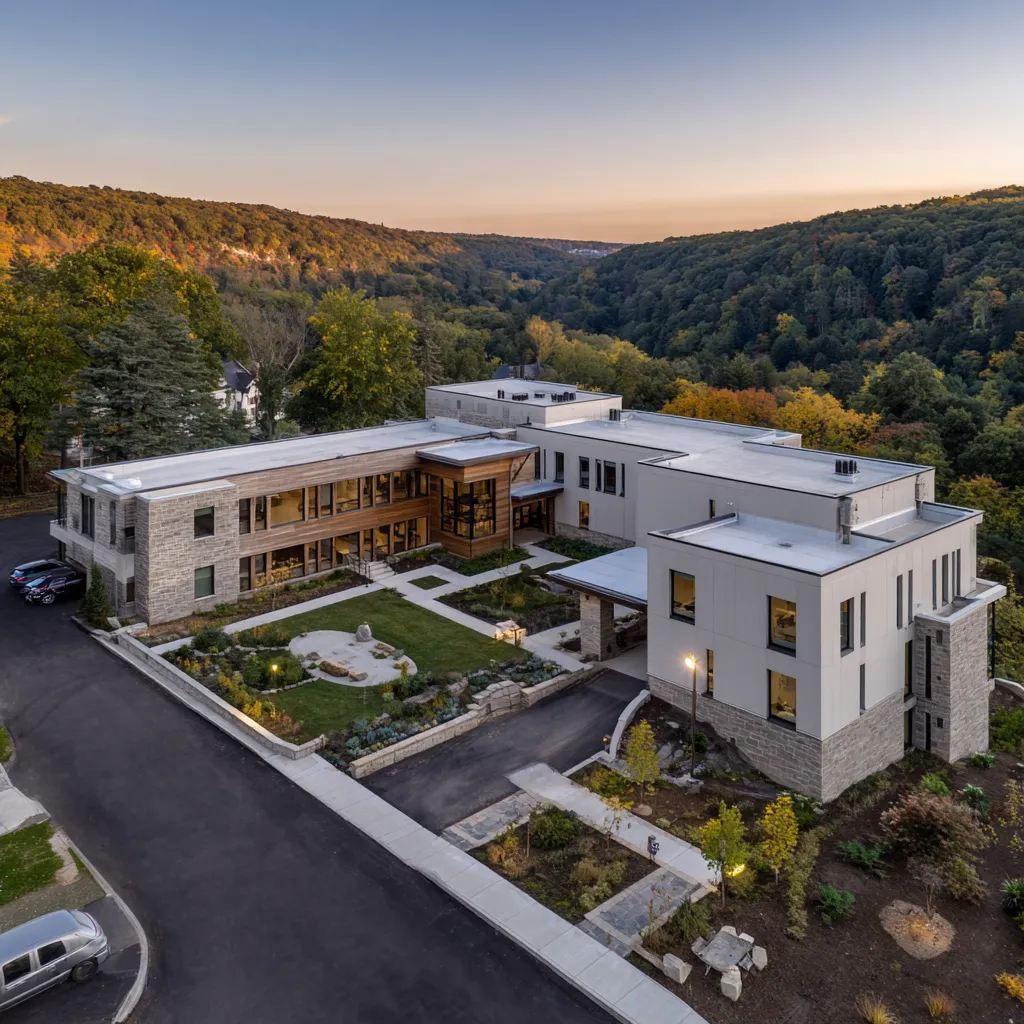
The physical environment matters too. Our campus, set against the quiet backdrop of the San Gabriel Valley foothills, offers the kind of stillness that many veterans describe as deeply restorative after years of hypervigilance. The early-morning nature walks, outdoor fitness sessions, and meditation garden provide grounding rituals that complement clinical work.
We accept Tricare and other insurance plans commonly carried by veterans and their families. If you or a veteran you love needs support, reach out to our admissions team at (626) 681-4145. We understand the weight of service, and we are here to help carry it.

The Connection Between Sleep Quality and Sobriety
Recovery Tips | February 2026
Sleep disruption is one of the most persistent yet underappreciated obstacles to sustained sobriety. During active addiction, substances fundamentally alter the brain's sleep architecture. Alcohol suppresses REM sleep. Stimulants like methamphetamine and cocaine can cause insomnia lasting weeks after cessation. Opioid withdrawal often brings restless legs, night sweats, and fragmented sleep that leaves patients exhausted and vulnerable to relapse.
At MRS Addiction Treatment, our nutritional psychiatry program pays particular attention to sleep restoration. Research shows that amino acids like tryptophan and minerals like magnesium -- both available through whole-food nutrition -- support the neurochemical pathways that regulate healthy sleep cycles. Our registered dietitian designs evening meal plans that promote natural melatonin production, and our farm-to-table kitchen sources ingredients with these therapeutic properties in mind.
Beyond nutrition, our daily schedule is structured to reinforce circadian rhythm. The 6:30 AM wake-up and morning nature walk expose patients to early sunlight, which signals the brain to begin its daytime cycle. Evening wind-down activities, including guided journaling and meditation, prepare the body for restful sleep. Patients consistently report that by the second week of residential treatment, their sleep quality has improved significantly.
If poor sleep is undermining your recovery or the recovery of someone you love, it may be a sign that a more comprehensive treatment approach is needed. Contact MRS Addiction Treatment at (626) 681-4145 to learn how our integrated programs address the full picture of recovery, including the hours you spend with your eyes closed.